Mind Games on the Field and in the Stables: How Mental Preparation Influences Outcomes in Athletic and Equestrian Competitions

Mental preparation has become a documented factor in both athletic and equestrian competitions, with researchers tracking its effects across various disciplines through controlled studies and performance data. Athletes and riders alike incorporate techniques such as visualization, breathing regulation, and cognitive reframing to manage pressure during high-stakes events, and organizations like the American Psychological Association have compiled evidence showing correlations between these practices and measurable improvements in focus and execution.
Core Techniques in Athletic Settings
Track and field competitors often begin sessions with structured mental routines that include progressive muscle relaxation followed by scenario rehearsal, and studies from the Australian Institute of Sport indicate these steps help reduce pre-event cortisol levels while sharpening reaction times. Team sports add layers of collective visualization, where players review game footage together before mentally walking through defensive assignments, which data from multiple European leagues links to fewer unforced errors during critical match periods. Combat athletes extend this further by pairing physical drills with self-talk scripts that emphasize process over outcome, a method observers note has gained traction ahead of international tournaments scheduled through 2026.
Application in Equestrian Disciplines
Equestrian athletes face distinct demands because they must synchronize their mental state with that of the horse, requiring riders to maintain steady heart rates and clear cues even when environmental variables shift mid-course. Dressage competitors, for instance, use pre-test grounding exercises to project calm signals through the reins, while eventing riders rehearse recovery sequences for unexpected refusals. Research published in the Journal of Equine Veterinary Science has recorded lower heart-rate variability in pairs that practice these combined human-equine focus drills compared with those relying solely on physical conditioning.
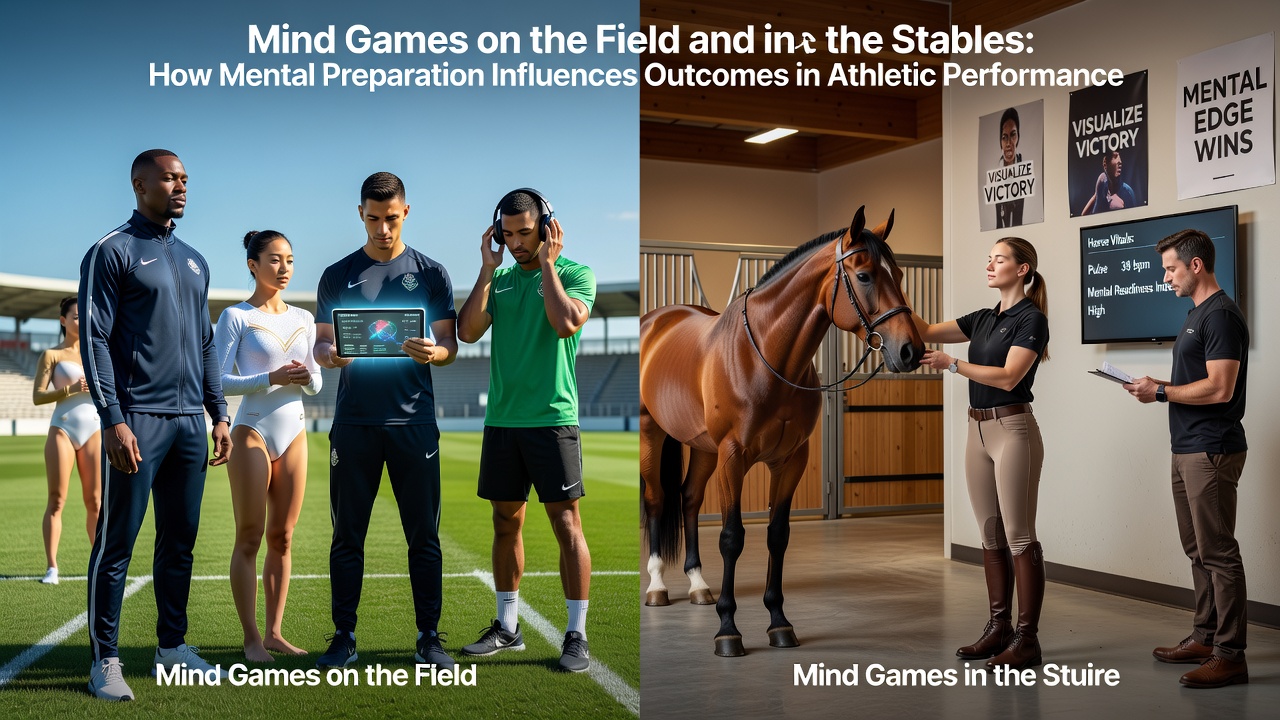
Comparative Data Across Disciplines
Performance metrics collected by national sports bodies reveal patterns that connect mental training volume to placement consistency, with one longitudinal review of Olympic qualifiers showing that athletes logging at least three structured mental sessions per week achieved tighter groupings in final scores than peers with irregular schedules. In equestrian contexts the same principle appears when riders integrate stable-based mindfulness into weekly plans, as figures from the Fédération Equestre Internationale demonstrate reduced time penalties across show-jumping classes. Both fields also report that seasonal adjustments matter, especially when athletes prepare for overlapping calendars that include major fixtures in June 2026.
Implementation Examples and Measured Results
One middle-distance runner who added daily imagery sessions reduced mid-race anxiety markers by 18 percent according to wearable data, while a show-jumping pair that introduced joint breathing protocols cut refusals by half over a six-month block. These cases align with broader findings from Canadian sport institutes, where integrated mental-physical programs produced statistically significant gains in both individual and paired events. Observers tracking provincial meets have noted similar trends when novice riders adopt simplified versions of the same routines used at elite levels.
Environmental and Scheduling Influences
June schedules often place athletes and riders in compressed timelines that amplify the value of portable mental tools, such as brief centering breaths between rounds or quick reframing statements during weather delays. Data logs from multi-discipline festivals show that competitors maintaining consistent mental resets experience fewer late-stage concentration drops, regardless of whether the venue is a stadium track or an outdoor arena. Regulatory bodies across regions continue to monitor these variables as part of broader athlete welfare frameworks.
Conclusion
Evidence from multiple sports-science repositories confirms that systematic mental preparation contributes measurable edges in both athletic arenas and equestrian rings, with techniques adapted to the specific demands of each environment. Continued documentation of these methods will likely shape training protocols leading into future competition windows, including those clustered around mid-2026.