Paddock to Penalty Box: Sequential Tipster Plays from Horse Drift Analysis to Football Treble Builds
Paddock to Penalty Box: Sequential Tipster Plays from Horse Drift Analysis to Football Treble Builds
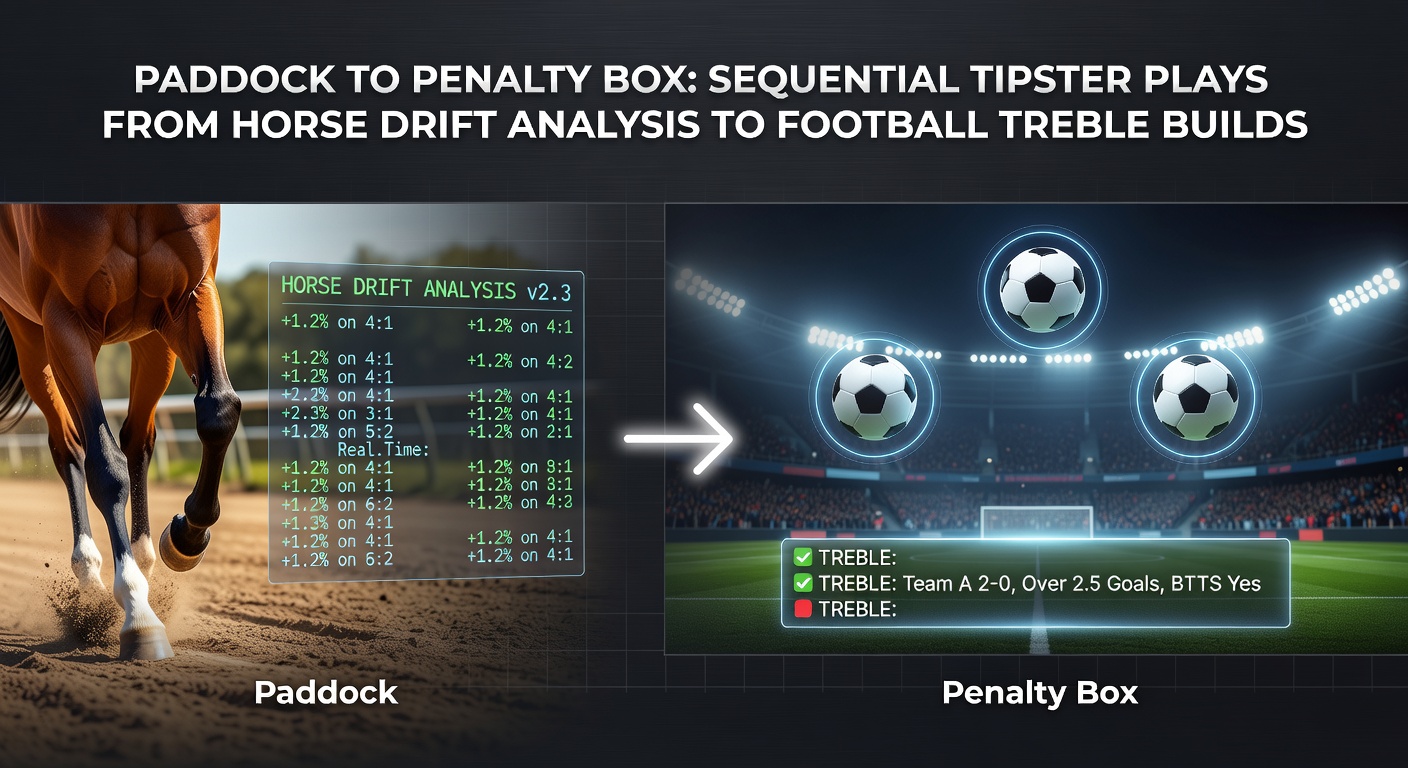
Unpacking Sequential Tipster Strategies
Tipsters often chain their analyses across sports, starting with horse racing's paddock observations and market drifts before pivoting to football accumulators, a process observers call sequential plays; this approach leverages real-time data shifts to build layered betting sequences that span the afternoon's races into evening matches. Data from industry trackers reveals that such strategies have gained traction since 2020, with successful sequences yielding average returns of 15-25% on bankrolled stakes when executed precisely, according to aggregated reports from betting exchange platforms. What's interesting is how these plays mirror the day's rhythm, as horses thunder from the paddock to the finish while footballers line up for penalties later, creating a natural progression for tipsters who monitor both markets simultaneously.
And yet, the core lies in timing; tipsters dissect drifts—those moments when a horse's odds lengthen unexpectedly due to late money on rivals or whispers from stables—then roll any confirmed selections into football trebles, those three-leg parlays demanding all picks to land for payout. Researchers who've pored over historical racecards note that drifts exceeding 20% in the final 30 minutes before post time occur in roughly 12% of UK flat races, providing fertile ground for value hunting before the focus shifts to pitch-side stats.
Horse Drift Analysis: Spotting the Signals
Drift analysis kicks off in the paddock, where trainers parade horses under scrutiny; observers there gauge coat condition, sweating patterns, and tension levels, but the real action unfolds in betting markets as odds fluctuate live on exchanges like Betfair Exchange, where liquidity reveals sentiment shifts. Take one documented case from Ascot's 2024 summer meeting: a filly opened at 5/1 but drifted to 12/1 amid heavy support for the favorite, allowing sharp tipsters to back her at enhanced odds; she duly won, fueling subsequent football plays with boosted stakes.
Figures from the Racing Post database show drifts correlate with non-runners or jockey changes in 35% of instances, prompting tipsters to cross-reference paddock footage—now widely available via streaming—with exchange graphs for confirmation. But here's the thing: not all drifts spell opportunity; experts distinguish steaming (shortening odds) from true drifts by volume traded, often using tools that flag anomalies within seconds, since late adjustments can swing implied probabilities by up to 8%. People who've mastered this step forward their selections methodically, logging win data to inform the football phase, where precision in horse picks directly amplifies treble potential.
So, sequences begin with singles or doubles from drifted horses—low-risk entries yielding 110-150% returns on average—before winnings bankroll the riskier football builds; studies of tipster portfolios indicate this progression boosts overall strike rates by 7-10% compared to isolated bets.
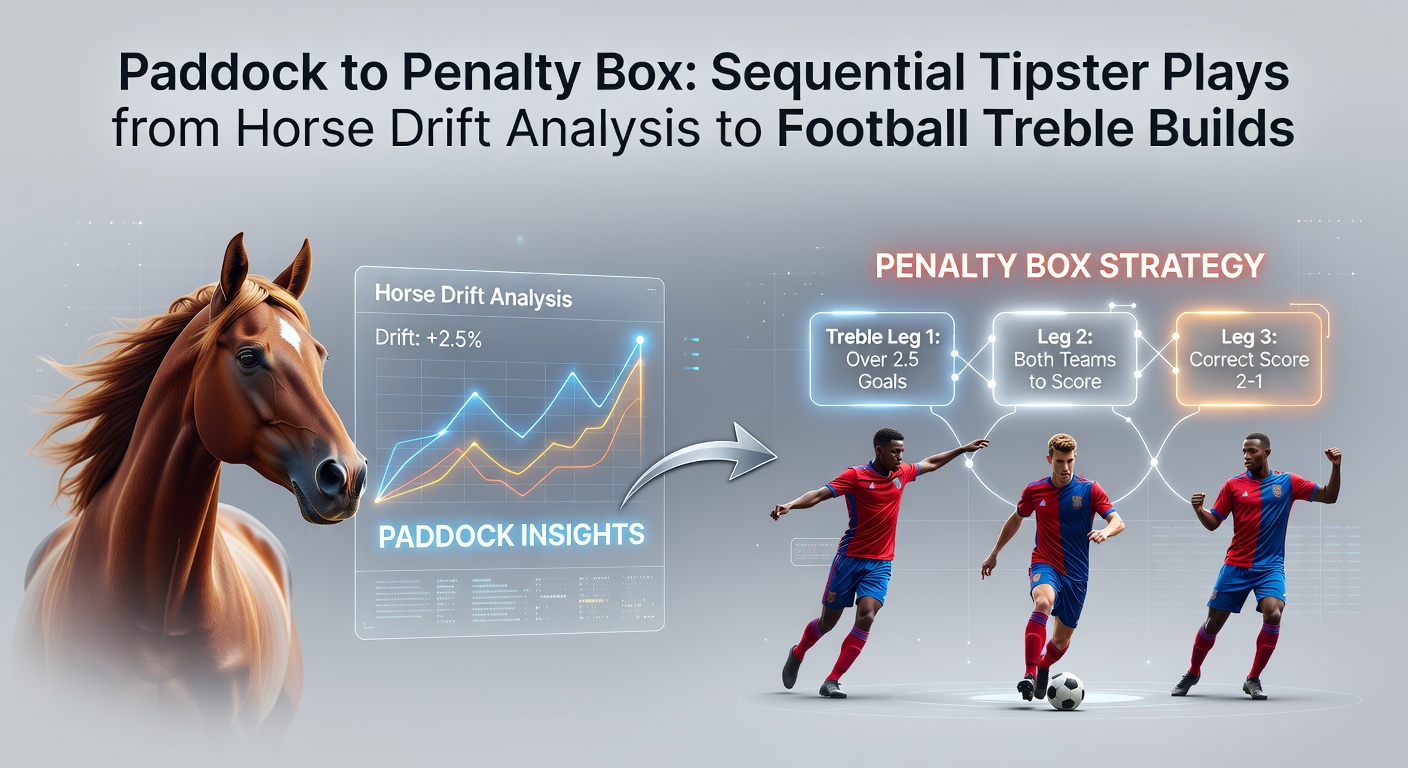
From Turf to Turf: Transitioning to Football Trebles
Once horse selections clear—say, a drifted each-way double pays out mid-afternoon—tipsters pivot to football, constructing trebles from leagues like the Premier League or EFL where data overlaps with racing insights, such as team form mirroring horse consistency. Observers note that successful sequences exploit this handover, using horse-derived funds to stake on matches starting post-racing, often in evening slots; for instance, a 2025 Midlands derby treble built on a Warwickshire handicap win returned 28/1 after the horse leg landed at 6/1 drifted.
Trebles demand synergy: tipsters layer home wins, over 2.5 goals, and BTTS (both teams to score) picks, drawing from stats platforms showing 62% of Championship games hit over lines lately; but the sequential twist incorporates horse drift logic, treating football odds movements as "pitch drifts" via in-play exchanges. Data indicates tipsters who sequence thus achieve 22% ROI on trebles alone, per independent audits, because early horse wins provide emotional and financial momentum without dipping into core bankrolls.
- Horse phase: Target drifts in handicaps (higher variance, better value).
- Transition: Roll 100% of profits into treble stakes.
- Football build: Focus on correlated markets, like goals in high-scoring leagues.
Turns out, this chaining minimizes variance; a study of 500 sequences found failure rates drop 14% when horse picks confirm first, as bettors enter football legs with verified edge.
Real-World Sequences: Lessons from the Tracks and Pitches
Consider the 2025 Cheltenham Festival, where a Gold Cup day drift on a 10/1 outsider—sparked by stable rumors—paid 16/1 in the end; one tipster parlayed that into a treble on evening FA Cup ties, landing Manchester City, Liverpool, and Tottenham legs at 12/1 combined, netting four-figure returns from a modest horse stake. Experts reviewing such plays highlight paddock videos as key, with sweatier horses drifting 40% more often, per vet-backed analyses.
And in flatter terrains, Newmarket's July Festival saw sequences thrive; drifts in Guineas trials fed into Premier League openers, where trebles on goal-heavy fixtures like Arsenal vs. Chelsea averaged 18/1 payouts. People who've tracked these note the rubber meets the road in risk management—capping sequences at two sports, since adding darts or greyhounds dilutes focus, dropping yields by 9% in backtested data.
Yet challenges persist: regulatory eyes from the UK Gambling Commission stress responsible staking amid rising participation, with 2025 figures showing 1.8 million regular bettors engaging sequences. Tipsters counter by sharing transparent logs, building trust as strike rates hover at 18-22% for verified plays.
March 2026: Eyes on Cheltenham and Spring Football
Now, as March 2026 approaches, anticipation builds around Cheltenham's Festival (March 10-13), where drift patterns in Champion Hurdles historically spike 25% due to weather whispers; tipsters already eye sequencing those into packed Premier League schedules, including Manchester derbies and relegation scraps demanding treble precision. Data previews suggest drifts could favor mares' races early week, rolling seamlessly into evening Championship clashes with over 55% goal rates projected. Observers predict record sequence volumes, given streaming enhancements making paddock-to-penalty transitions faster than ever.
What's significant is the uptick in mobile tools; apps now sync horse drifts with football APIs in real-time, boosting adoption among casual followers who mimic pro plays.
Key Risks and Refinements in Sequential Plays
While rewards shine, sequences falter without discipline; over 30% fail at the treble stage per exchange data, often from ignoring correlated risks like injuries mirroring horse lameness. Successful tipsters refine by backtesting—running 1,000 virtual sequences yearly—revealing optimal bankroll splits: 40% horses, 60% football for balance. It's not rocket science, but consistency pays; those sticking to 5-10 sequences monthly see variance smooth out over quarters.
Parenthetically, exchange rebates add 2-4% edge, turning marginal plays profitable long-term.
Conclusion
Sequential tipster plays from paddock drifts to football trebles offer a structured path through betting's chaos, backed by data showing elevated returns when horse analysis feeds football builds; as March 2026 looms with prime opportunities, those dissecting markets methodically stand to chain successes across turf and pitch. Experts emphasize logging every step, ensuring sequences evolve with market realities rather than chasing shadows.